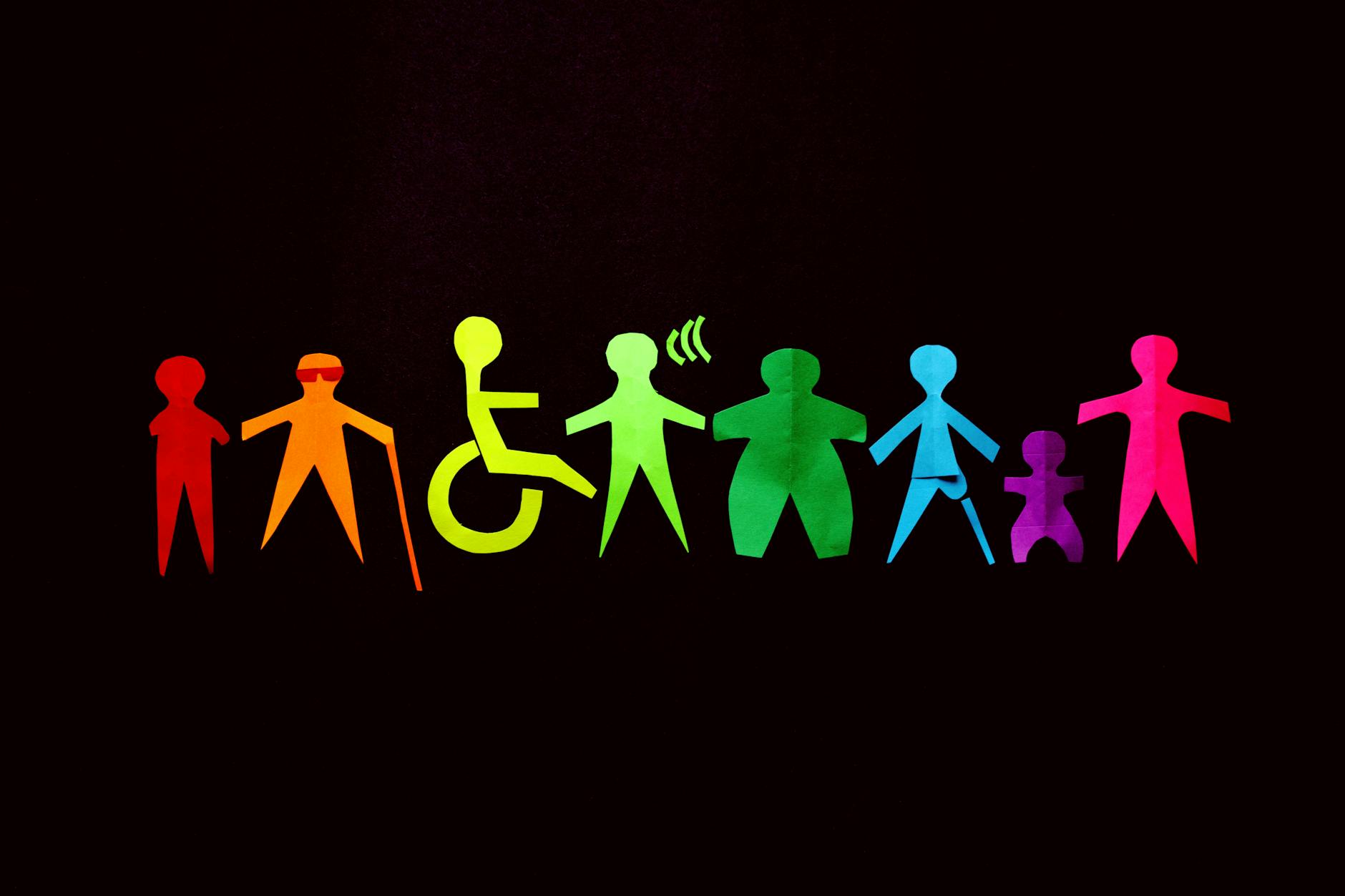
Existence in the 21st century as a person with multiple chronic illnesses.
I wanted to share 3 things that I think are common experiences within our community. Our conditions/disabilities might be different, some visible, some not, but there are commonalities between us. I feel that if we recognize these common threads between us, we can be better community members, comrades, and friends.
Dissmissal By Medical Providers
I think all of us have at least one story we could tell about a time we felt completly ignored, or worse, by a medical provider. I want to be clear this section is not intended to just throw shade towards people working in medicine. Most of us (I am a RN) go to work every day with the intention of helping us, but the system often makes that hard.
I know that I have experienced this multiple times, and each time is just as distressing as the last. We know our bodies, we know what we are feeling, and we often spend hours a day reviewing research and developing our own care plans. It is utterly exhausting. This affects us all, but BIPOC individuals have even more difficulty being heard and receiving adequate care.
Internalised Ableism
Before I became (more) physically disabled I didn’t even fully grasp the concept and the pervasivness of ableism. I also did not not realize I held beliefs around physical health that were based in aspects of medicine that are inherently ableist.
Ableism can be defined as: “a set of beliefs or practices that devalue and discriminate against people with physical, intellectual, or psychiatric disabilities and often rests on the assumption that disabled people need to be ‘fixed’ in one form or the other.”1
A lot of Western medicine places emphasis on the individual and what they can do in order to heal, minimize, or mask a person’s disability. When I even read that sentence, I think to myself, great. It seems at first read a perfectly acceptable plan of treatment, but it is missing something very crucial: social impacts on a disabled person’s life, how ableism might negatively impact their life more than their actual disability.
Every one of us that identifies as disabled, chronically ill, sick, mad, crip will have to sit down with it. Internalized ableism is so stressful and harmful, I encourage you if you haven’t looked into this to do so. It can show up in small yet harmful ways in our daily lives and impede our ability to thrive.
Priority Shifts
Everything from who we spend time with, what we buy, our hobbies, our work/career, and our whole lives changes drastically. Sometimes these changes are rapid; other times, they unfold slowly over long periods.
For myself I know especially now, I am soley focused on my health and wellness. Trying my hardest to adjust to my new normal and do all I can to thrive and potentially get more symptoms managed and/or conditions into a remission like state. Until these things happen, priorties around education, professional growth/change, making friends, working on art projects etc. are no longer priorities.
Community Is So Important
No one is meant to do everything all the time. No one is meant to carry the weight of disability and/or chronic illness alone. Whether we find community within individuals we already knew and/or are related to or we go out searching for our community it is important.
As a Neurodivergent person I am often quite content by myself, and often do not want alot of socialization but when we experience the unique and intense challenges regarding our health it isn’t about socializing, community is part of us surviving and hopefully thriving.
Do you experience, or have experienced, any of these three things? I would love to know your thoughts and if you would have included any other experiences or taken any out?
- Center for Disability Rights, #ableism, https://cdrnys.org/blog/uncategorized/ableism/#:~:text=Ableism%20is%20a%20set%20of,where%20we%20have%20gone%20wrong. ↩︎


Leave a Reply