

Medical Disability
In medicine disabilities are looked at mostly as things to be helped, cured, or supported so the person they are affecting can get relief. This makes sense for a lot of conditions such as diabetes, cancer, and heart disease.
The drawbacks to this model are that it often separates the disability from the person, relies only on what medicine has to say, and forgets to ask the person what they want.
The biggest drawback for me is that it takes all responsibility to create accommodating spaces from the community and places it all on the person.
It medicalizes disabled bodies and labels them as defective and abnormal. It puts physicians in the center of the care team, even more central than the patient. Often, our autonomy is questioned, and disabled adults are spoken to like children so often.
I used to believe in this model and that helping was making the disabilities as small as possible. I also had spoken to a patient like a child before who was in their 40s. I share my personal past within this model because I have changed. I believe my peers can also change.
We can practice effective medicine without the goal to be “fixing” the person. Of course, there are times that doctors and other providers are 100% using their hands to fix broken bones, restart hearts, and provide comfort.
This is not where I find the issue with the medical industry. I find the issue in the rampant ableism. Which is the belief that disabled bodies, brains, people are less than non-disabled people.
We cannot get rid of this outdated model altogether because disabilities do often need medical management and support. Just thinking about Autistics and all of frequent co-occurring conditions: IBS, Ehlers-Danlos Syndrome, Hypermobility, Postural Orthostatic Tachycardia just to name a few. These conditions are going to need medications, treatments and for a care team to view the symptoms as things to minimize.

Being Autistic does not require me to be fixed but I sure do appreciate all the medical care I am privileged to receive that focuses on managing my pain, sensory sensitivities and other symptoms from my other conditions.
Social Model of Disability

The Social Model literally looks to society as the reason people are disabled by lack of accessibility. It completely takes the responsibility away from the disabled person to ensure there are accessible spaces.
This model was crafted in the 70s or 80s by Disability Rights activists. It separates people’s “impairments” (what their body might not be able to do) and their “disabilities” as the barriers placed upon the person by society’s inability or decision not to provide access to what the disabled person needs or wants.
The beauty of this model is that it becomes a community activity to make our society accessible. This just doesn’t help disabled people. Certain accessability needs help abled people as well. Anyone can benefit from a space in large malls to decompress: sensory rooms often incorporated to support Autistics.
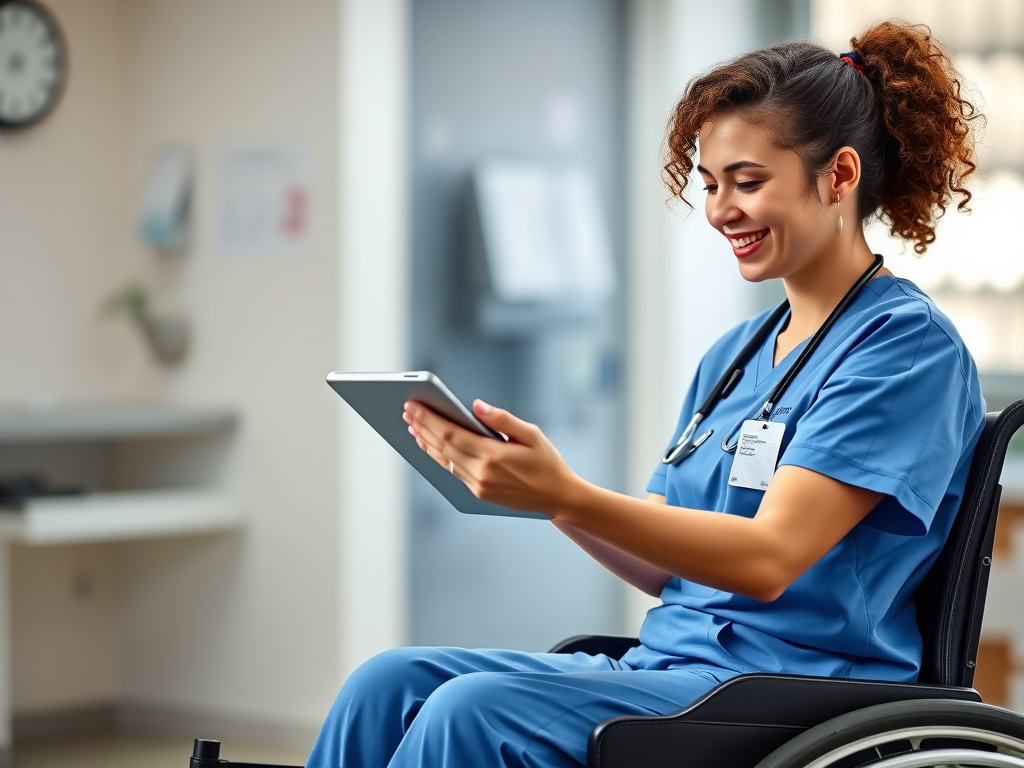
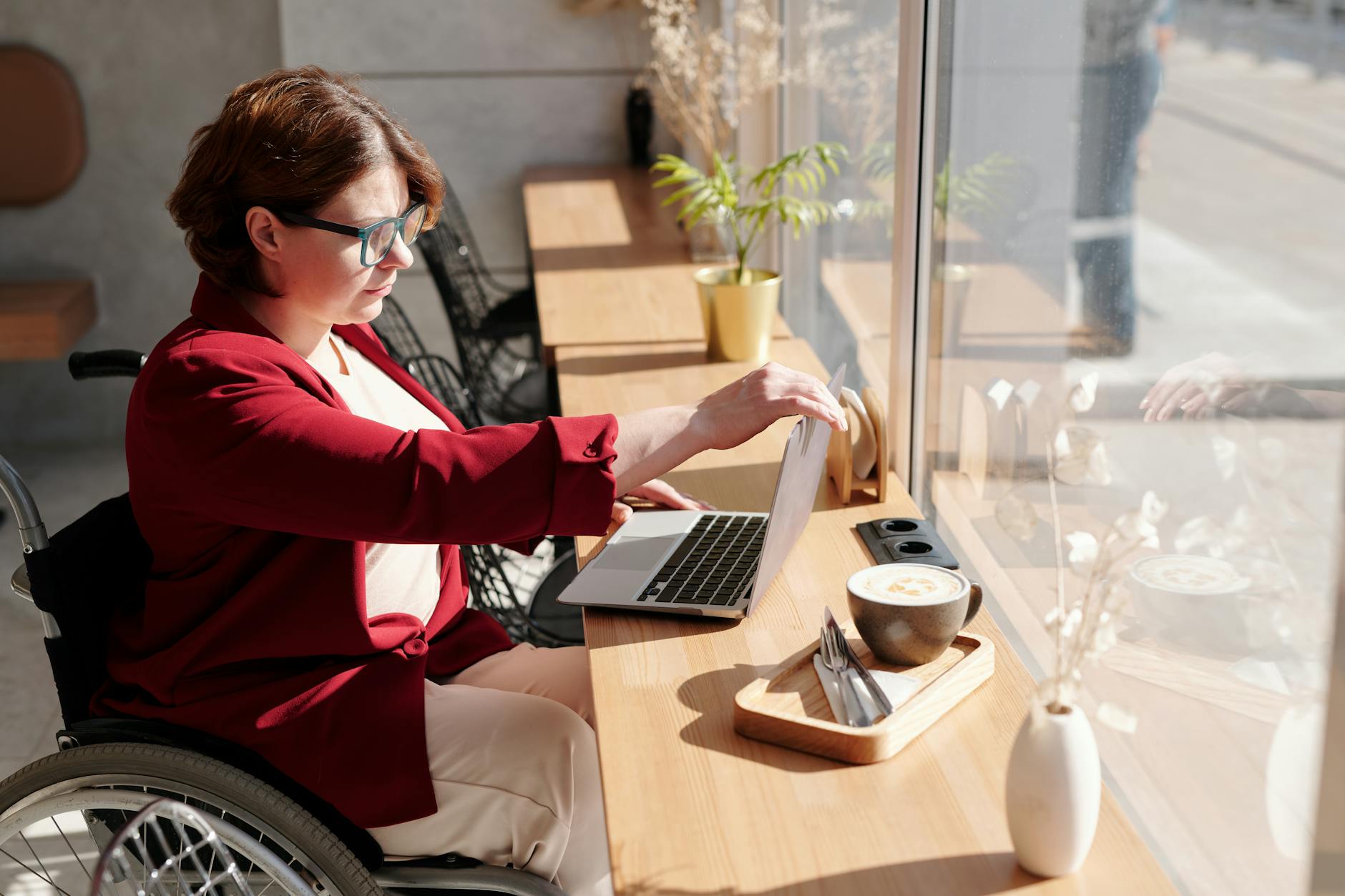
If a woman is unable to attend a concert due it being in a historical building that is not required to be ADA compliant. There is only stairs and she is in a wheelchair. The medical model would focus on the fact she cannot walk and it is her fault she can’t go to the concert. In the social model, it views the issue/disability to be the lack of a wheelchair and sees the woman’s inability to walk as just part of her existence and maybe an impairment.
No one will be harmed either by this inclusivity. Diversity is beautiful and as a society we have robbed ourselves of that beauty. The social model of disability aims to change that.
My experience as a nurse and disabled person.

The specific relevant content for this request, if necessary, delimited with characters: I frequently share with my patients that I am on “both sides of the stethoscope.” Meaning that I am a patient just as much as I am a nurse. I have experienced the amazing healing power of Western medicine and I have been the victim of stigma.
Being a woman or assigned female at birth (AFAB) can be dangerous in western medicine. In a women’s health survey it was found that 29% of women reported that in the past two years they were dismissed by their doctors compared to 21% of men.
This is even worse for black and brown women. The moratality rate for mothers delivering is higher in black women than white women. As reported by the CDC in 2021 the mortality rate for black mothers was 2.6 times higher than white women. For disabled folk this puts them marginalized in more than one way. They have to worry about abelism and racism within medicine.
This is where I know as clinicans we are failing people.
When the pandemic and the medical system were not even trying to hide its ableism. They outright said that anyone with a disability on life support would have their ventilators taken and given to a “healthier” able-bodied person. Hospitals were literally drafting policies like this. For more information see this link to a study that looked at several concerns around this mindset.
Meanwhile, the disabled community rallied and took care of each other. Sending each other masks, air filters, crowdfunding to support those that could no longer work. You name it, they were doing it. They were also advocating against these policies. Following this news was my first exposure to Disability Justice and the Social Model of disability.
I saw that the medical system does still fail so many. I was heartbroken for a long time. I love people who their ventilators would have been taken away if they were to get sick. That have rich amazing lives. Who can say who’s life is worth more than another?
I have been convinced a few times that my legitimate pain and discomfort is all anxiety, in my head. That I have nothing wrong with me. My least favorite sentence:”Your labs are normal, so we have nothing we can do.” Has been said to me way too many times.
In the emergency room I need my husband with me. Even as a nurse, I lose the ability to self-advocate due to not feeling well and all my senses being overwhelmed. In this moment I am disabled by the hospital environment. Being Autistic isn’t the problem, because I communicate and advocate just fine outside the ER. It is the environment that causes me to lose abilities I possess other days.
So here I am in 2024 trying to build a bridge between my respected medical community and my beloved disability community. I literally walk the line between the social model of disability and the medical model. Although I tend to lean towards the social model, I cannot determine how another disabled person wants to view their life and disabilities.
Final thoughts
What model do you find applies to how you view disability? Has your view changed by reading this? Because this is just the beginning. There are so many people discussing and writing about this topic. If you want more info, comment below, and I can provide it.



Leave a Reply to aceynpasquariello1990Cancel reply